
Organic Neutral Dining Room
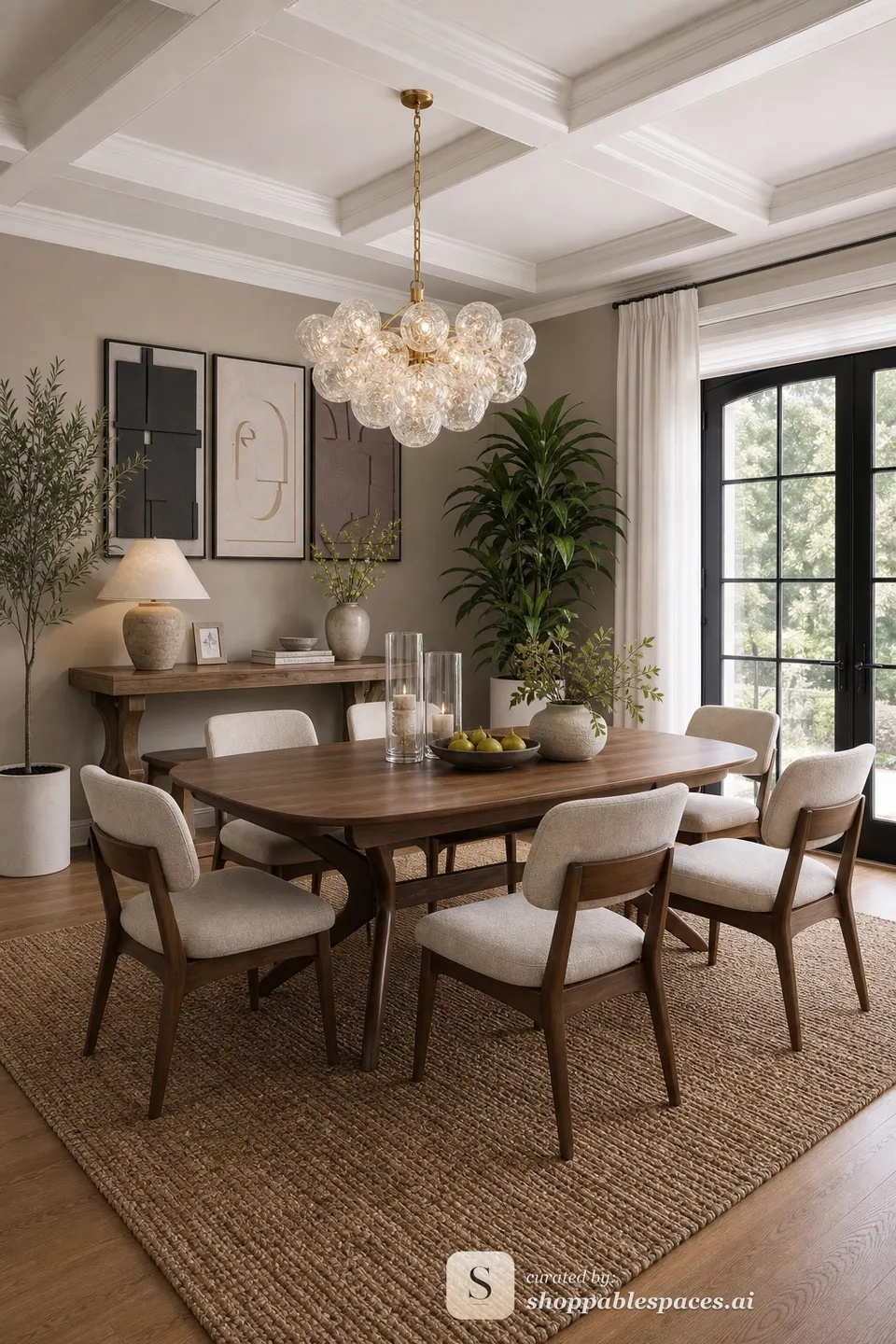
Discover how a carefully curated selection of warm wood tones and ambient lighting creates a serene dining environment that feels both sophisticated and deeply inviting for every meal.
Shop the look
Explore the collection of furniture and decor pieces that bring this organic neutral dining room to life. Choose lighting fixtures with glass or metallic finishes to reflect light and brighten your dining room atmosphere.
Shop this dining room
 1Dining Table - Walnut, Solid Wood, Mid-Century, Expandable
 2Faux Plant - Olive, Realistic, 6FT
 3Area Rug - Brown, Jute, Farmhouse, Textured
 4Sideboard - Oak Brown, Wood, Modern
 5Wall Art - Earth Tone, Textured, Geometric, Abstract
 6Faux Dracaena Tree - Green & White, Silk, Planter Included
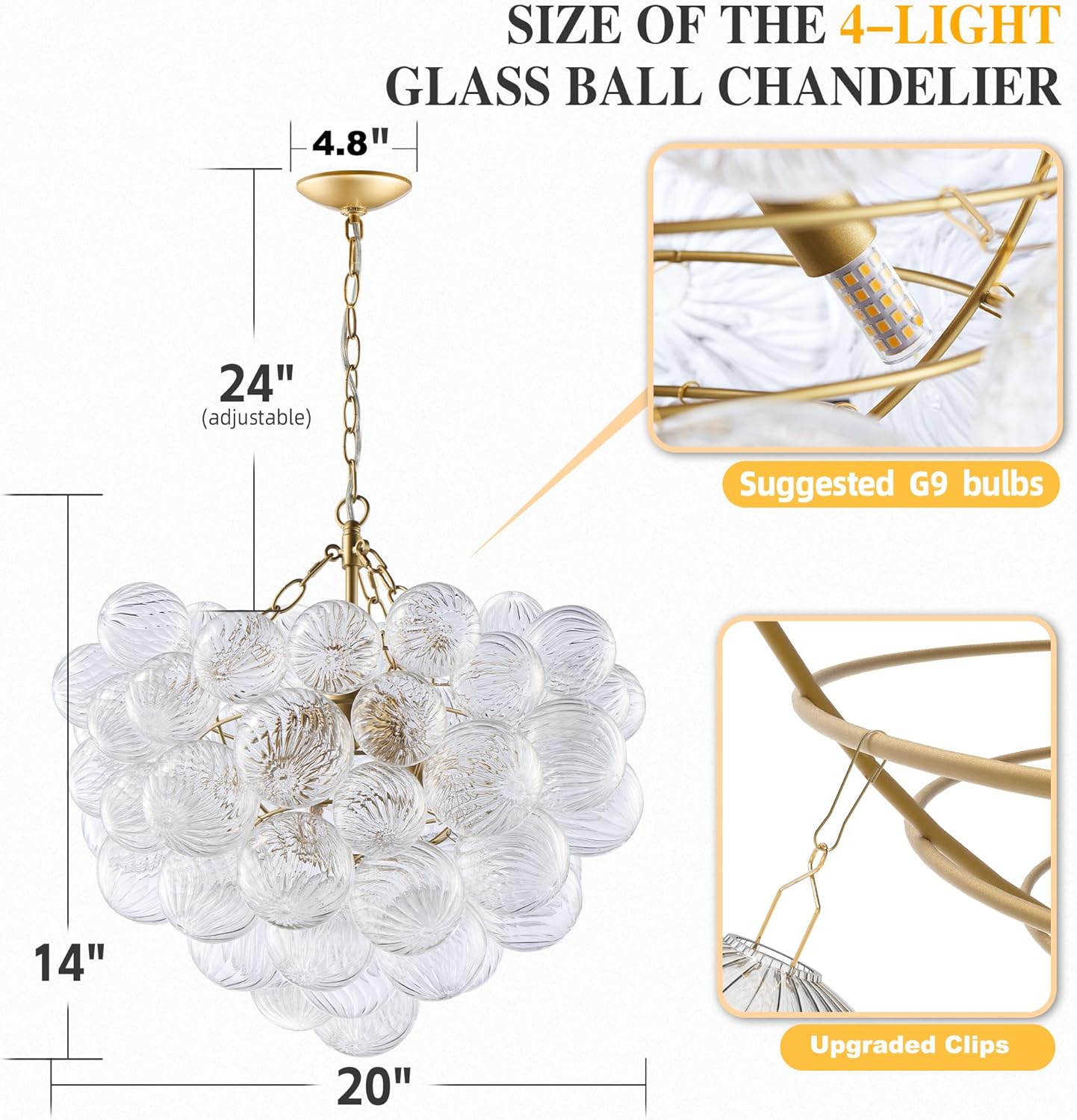 7Chandelier - Gold, Glass, Bubble, Nordic
 8Vase Set - Clear, Acrylic, Cylinder, Tall
 9Console Table - Brown, Wood, Farmhouse
 10Blinds - White, Faux Wood, Cordless
Design Notes
Luminous Layers: The Art of Organic Neutral Dining
Discover how a carefully curated selection of warm wood tones and ambient lighting creates a serene dining environment that feels both sophisticated and deeply inviting for every meal.
Stepping into this dining room, one is immediately struck by the harmonious interplay of natural light and intentional, warm illumination. The space is anchored by a rich walnut expandable table, resting atop a textured jute rug that grounds the room in earthy, organic tones. A stunning bubble chandelier serves as the focal point, casting a soft, diffused glow that highlights the clean lines of the mid-century inspired seating. Surrounding the perimeter, a modern oak sideboard and a farmhouse-style console table provide functional elegance, while strategically placed faux greenery brings a vibrant, living energy to the neutral palette. It is a masterclass in balancing tactile comfort with a refined, airy aesthetic.
The Role of Ambient Illumination
Lighting is the heartbeat of this dining room, setting the mood for both quiet morning coffee and lively evening gatherings. The gold bubble chandelier acts as an architectural statement, its glass spheres diffusing light to create a warm, welcoming radiance across the walnut tabletop. This central fixture is complemented by the soft, directional light from the console lamp, which adds depth to the wall art and decorative accessories. By layering these light sources, the room avoids harsh shadows, instead fostering an atmosphere of calm and intimacy. The result is a space that feels expansive during the day while maintaining a cozy, sophisticated glow as the sun sets.
Curating an Organic Foundation
The foundation of this room relies on the interplay of natural textures that define the organic neutral style. The jute area rug provides a coarse, grounding element that contrasts beautifully with the smooth finish of the walnut dining table. By incorporating wood elements through the console and sideboard, the design introduces a sense of permanence and warmth. These pieces are balanced by the airy, white faux wood blinds that soften the natural light entering through the doors. Every choice, from the silk dracaena tree to the clear acrylic vases, serves to bridge the gap between structured, modern design and the raw, unrefined beauty of the natural world.
Styling with Intention
True style in an organic neutral space comes down to the thoughtful placement of decorative accents. The geometric wall art provides a subtle graphic interest that anchors the console area, while the olive and dracaena trees add verticality and life to the room corners. The clear cylinder vases on the table offer a minimalist touch, allowing the natural grain of the wood to remain the star of the show. By keeping the accessory palette restricted to earth tones and clear materials, the room maintains a cohesive flow. This intentional styling ensures that each piece feels purposeful, contributing to a sense of order and tranquility in the home.
Room Design FAQ
How do I maintain an organic neutral look?
Focus on a palette of creams, tans, and warm wood tones. Prioritize natural materials like jute, silk, and solid wood. Keep your accessories minimal and organic in shape to ensure the space feels serene rather than cluttered, allowing the textures to provide the visual interest.
Can I mix wood tones in this dining room?
Yes, mixing wood tones is essential for an organic look. Pair a walnut table with an oak sideboard to create depth. Ensure the undertones are similar, such as keeping all woods in the warm, honey, or brown family to maintain a cohesive and intentional appearance.
What is the best way to light a dining room?
Use a layered approach. Start with a statement chandelier for general illumination, then add secondary light sources like table lamps on consoles or sideboards. This creates a balanced glow that eliminates dark corners and allows you to adjust the room mood for different occasions.
Paid links: we may earn a commission when you buy through product links. Prices and availability are illustrative and may differ on the retailer site.