
Transitional Bedroom
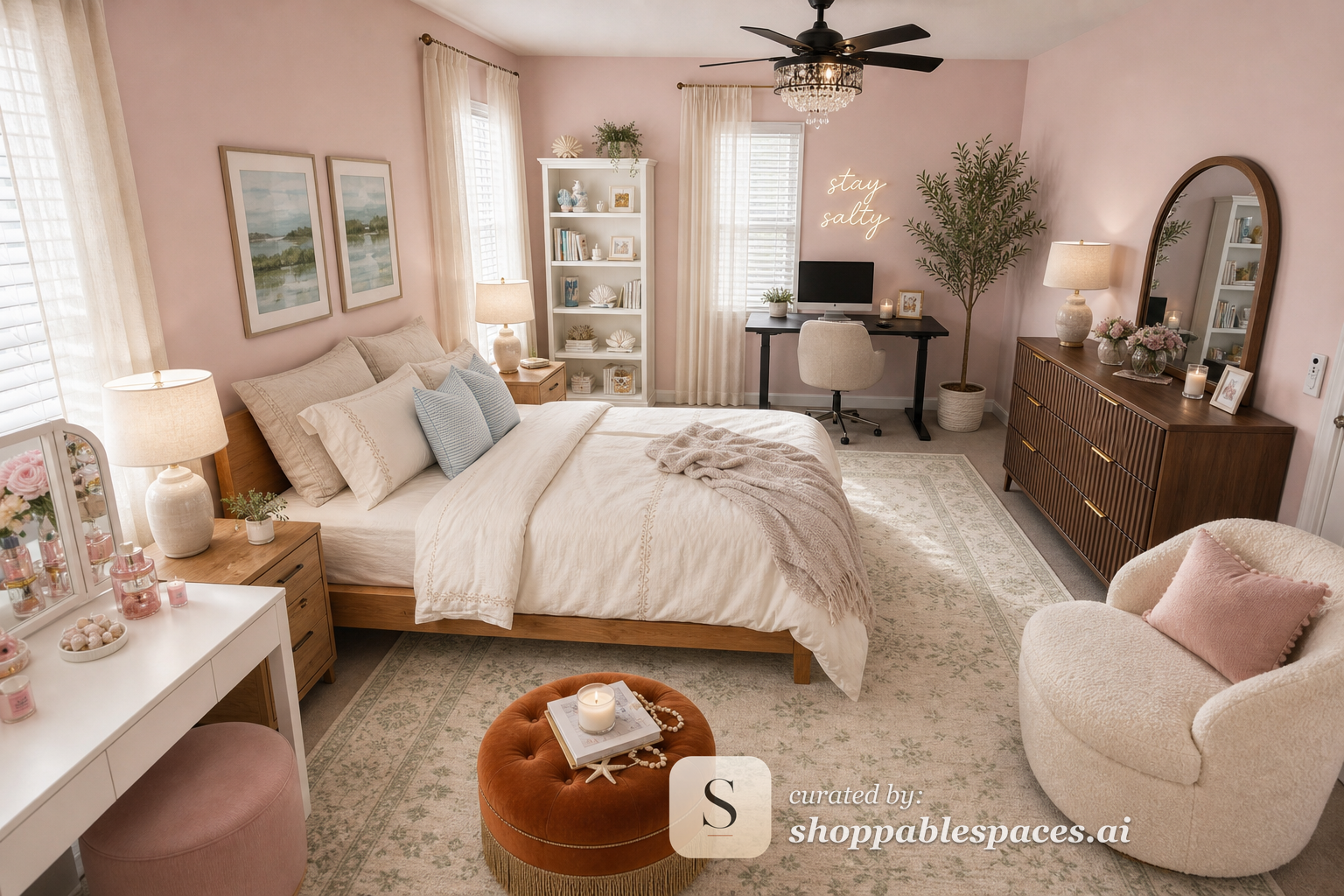
Discover how this thoughtfully arranged transitional bedroom proves that limited square footage can still accommodate a full suite of functional, stylish furniture without feeling cramped or visually overwhelmed.
Shop the look
Ready to bring this look home? Click below to explore the individual pieces that make this small-space sanctuary so special. Opt for low-profile furniture like platform beds to maintain an open line of sight across smaller rooms.
Shop this bedroom
 1Platform Bed - Pine, Wood, Low-Profile
 2Bookshelf - White, Wood, Farmhouse, 5-Tier
 3Curtains - Cream, Linen, Semi Sheer
 4Standing Desk - Black, Metal, Adjustable, Electric
 5Dresser - Walnut, Wood, Mid-Century, Fluted
 6Nightstand - Oak, Rattan, 3 Drawers, Charging Station
 7Ottoman - Burnt Orange, Velvet, Round, Tufted
 8Area Rug - Ivory & Sage, Distressed Floral, Vintage
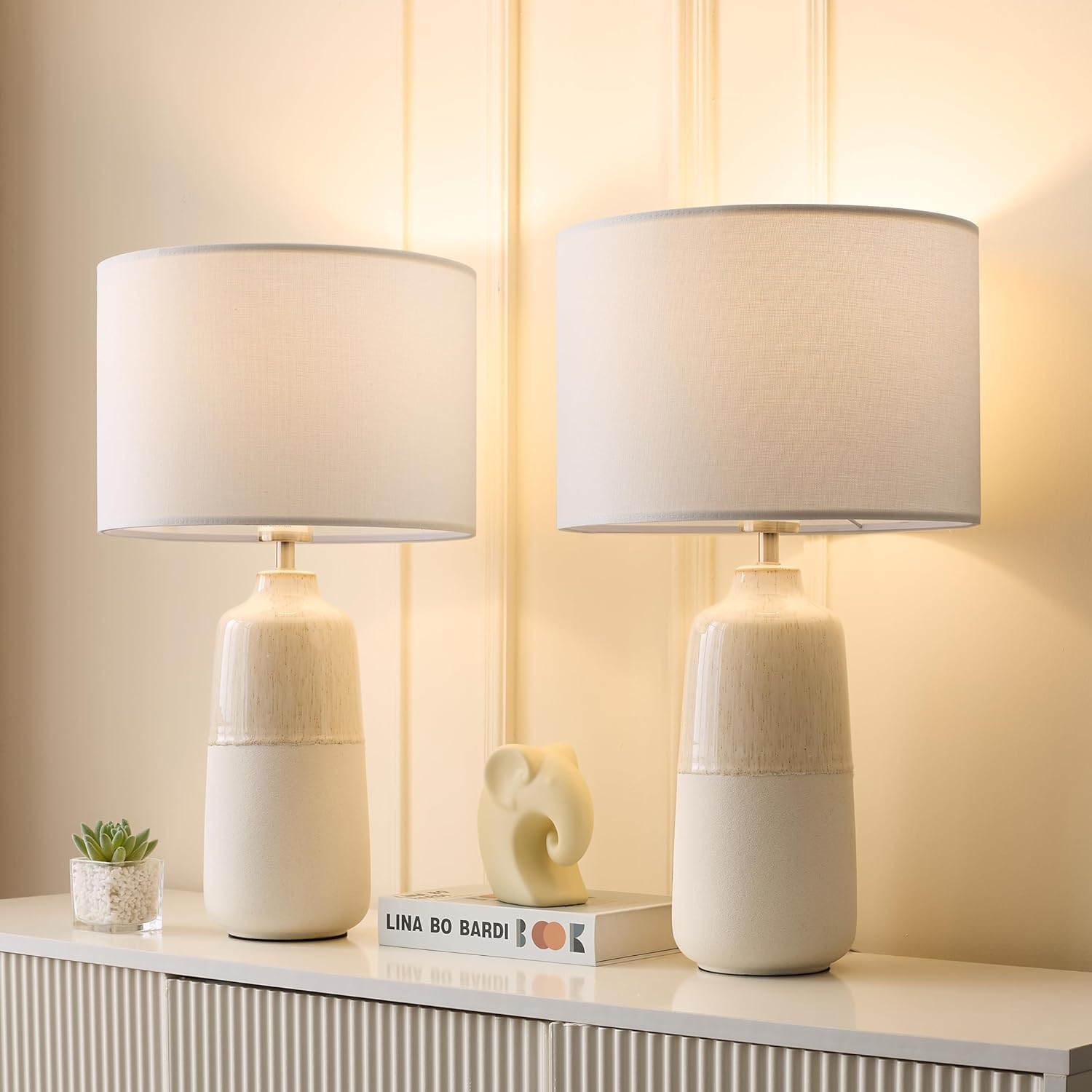 9Table Lamp - Cream, Ceramic, Rustic, 22in
 10Throw Pillow Cover - Light Blue & White, Striped
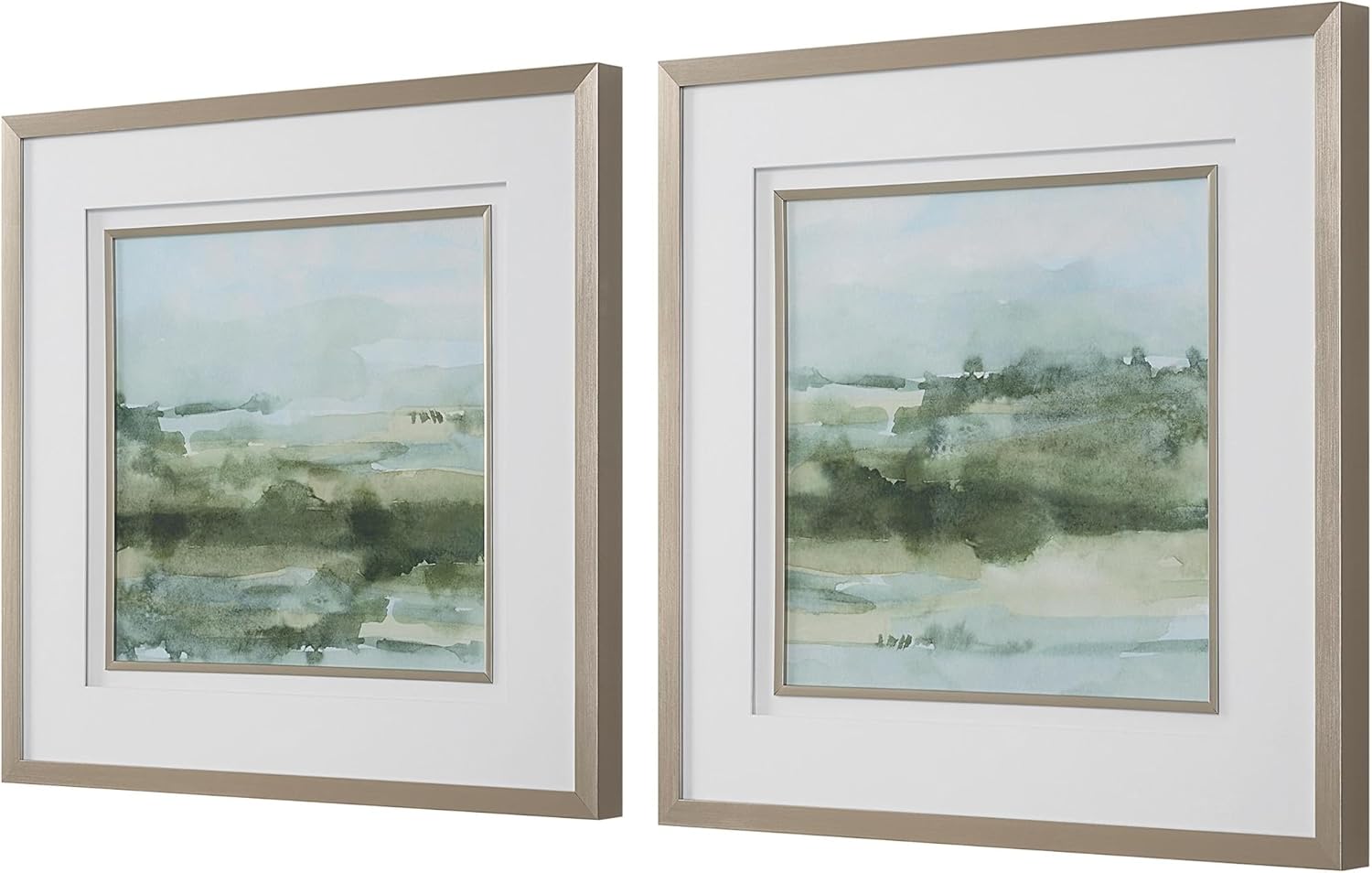 11Wall Art - Sage & Blue, Abstract, Framed
 12Bedding Set - Natural, Linen, Embroidered
 13Floor Mirror - Walnut, Wood, Arched, Full Length
 14Ceiling Fan - Black, Metal, Crystal, Farmhouse Fandelier
 15Faux Olive Tree - Green, Silk, 6FT Tall
Design Notes
Small-Scale Sanctuary: Mastering the Transitional Bedroom
Discover how this thoughtfully arranged transitional bedroom proves that limited square footage can still accommodate a full suite of functional, stylish furniture without feeling cramped or visually overwhelmed.
Designing a bedroom with limited floor space requires a delicate balance between utility and comfort. This transitional space serves as a masterclass in maximizing every inch, utilizing a soft, blush-toned palette to keep the atmosphere airy and expansive. By anchoring the room with a low-profile wood platform bed and positioning a vertical bookshelf in the corner, the layout draws the eye upward rather than focusing on the narrow footprint. A mix of mid-century walnut textures and light, semi-sheer curtains softens the edges of the room, creating a cohesive environment that feels both curated and deeply personal. It is a perfect example of how intentional placement transforms a modest area into a multi-functional retreat.
Maximizing Vertical Potential
When floor space is at a premium, thinking vertically is the most effective strategy. This room utilizes a tall five-tier bookshelf to house decor and essentials, drawing the gaze toward the ceiling to make the walls feel taller. The addition of a full-length arched mirror reflects light back into the space, effectively doubling the visual depth. By selecting pieces like the adjustable standing desk and a slim dresser, the design ensures that storage and productivity do not sacrifice the room's flow. Every piece is chosen for its specific scale, ensuring that the furniture serves a purpose without dominating the walkways or creating unnecessary visual clutter.
Layering for Visual Depth
Transitional design thrives on the mix of old and new, and this bedroom achieves harmony through a clever layering of textures. The combination of a distressed floral area rug in sage and ivory provides a soft foundation, while the natural linen bedding adds an organic, tactile quality. A burnt orange velvet ottoman introduces a bold pop of color and a secondary seating option that feels luxurious yet compact. By mixing wood tones from the oak nightstand and walnut dresser with the lightness of the ceramic table lamp, the design builds a rich, sophisticated aesthetic that feels collected over time rather than purchased all at once.
Multifunctional Design Choices
The true success of this small-space layout lies in its versatility. The inclusion of a dedicated workspace with an electric standing desk proves that a bedroom can easily transition into a home office without compromising on style. The nightstand featuring a built-in charging station eliminates the need for extra cords, keeping surfaces clean and organized. Even the lighting is multifunctional, with the farmhouse-inspired fandelier providing both cooling and overhead illumination. By choosing items that perform double duty, the room remains open and inviting, proving that you do not need a massive square footage to enjoy a space that handles work, rest, and relaxation with ease.
Room Design FAQ
How do I choose the right rug size for a small bedroom?
For a small bedroom, aim for a rug that extends at least eighteen inches beyond the sides and foot of the bed. This creates a sense of luxury and anchors the furniture, making the entire room appear larger and more cohesive by defining the sleeping zone clearly against the floor.
Can I mix wood tones in a small bedroom design?
Absolutely. Mixing wood tones adds character and prevents a room from looking like a catalog set. To keep it balanced, ensure at least one wood tone is repeated in different areas of the room, such as matching the walnut finish of the dresser with the arched mirror frame.
What is the best way to add color to a neutral room?
Use textiles and accent pieces for color. A burnt orange ottoman or sage-toned wall art allows you to introduce personality without overwhelming the space. These items are easy to swap out seasonally, giving you the flexibility to refresh your bedroom decor whenever your style preferences evolve over time.
Paid links: we may earn a commission when you buy through product links. Prices and availability are illustrative and may differ on the retailer site.