
Transitional Kitchen
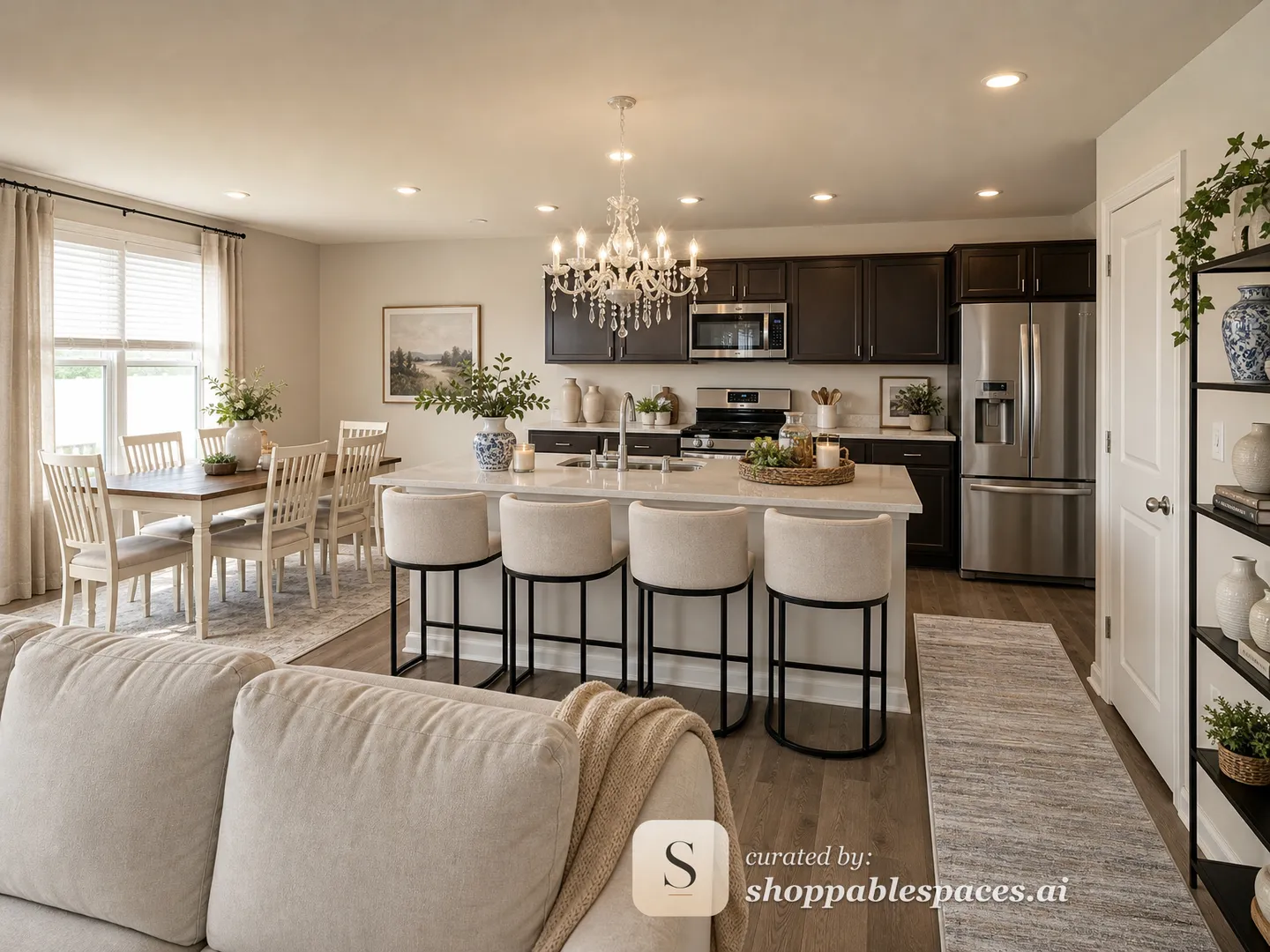
Achieving a polished, high-end look in your culinary space does not require an unlimited budget, as this balanced kitchen demonstrates the power of smart, intentional furniture choices.
Shop the look
Explore the collection of furniture and decor pieces used to create this approachable and polished transitional kitchen aesthetic. Prioritize neutral, durable fabrics for seating to ensure your kitchen remains both stylish and easy to clean.
Shop this kitchen
 1Dining Table Set - Cream & Walnut, Wood, Farmhouse
 2Faux Succulents - Colorful, Plastic, Miniatures
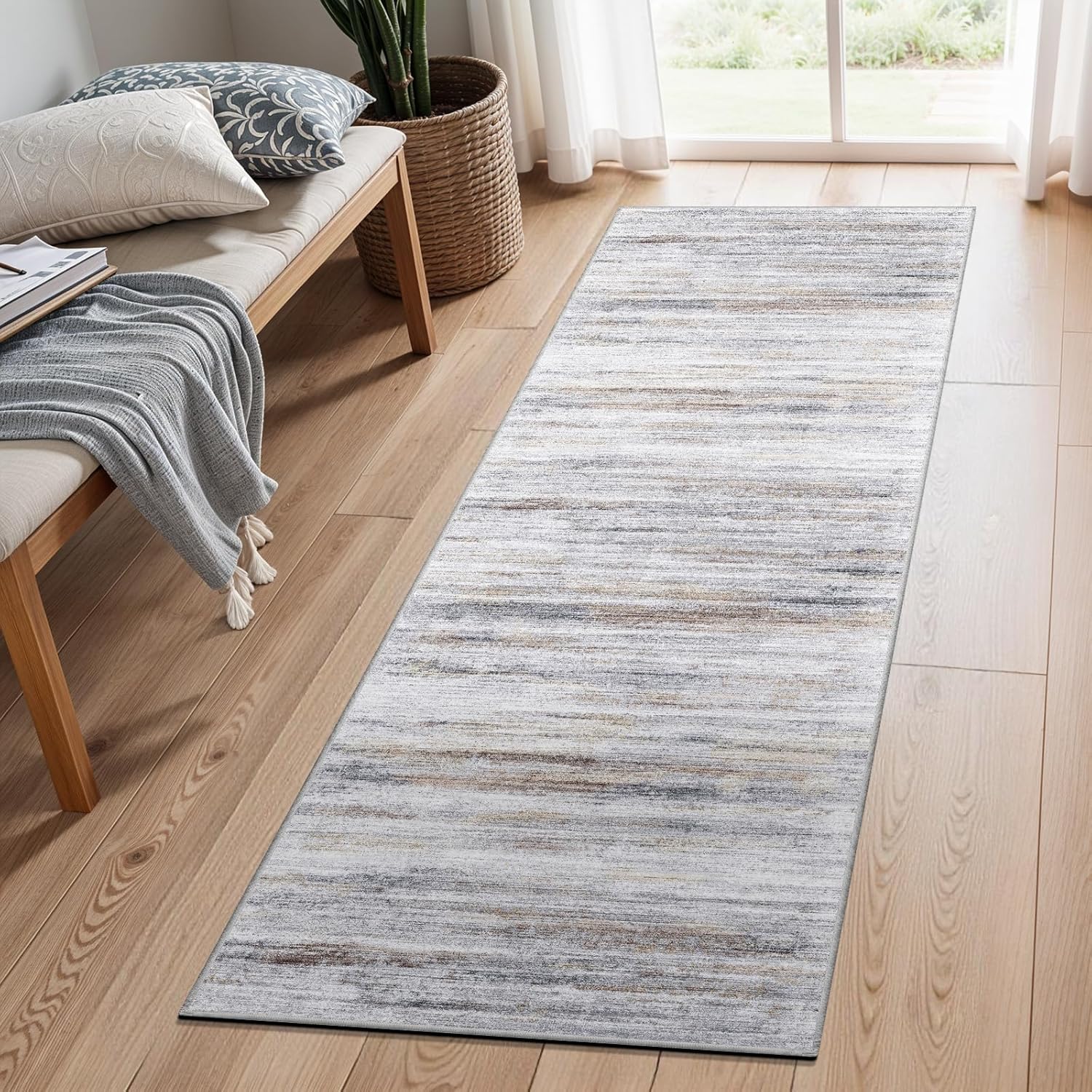 3Runner Rug - Beige & Grey, Low-Pile, Stain Resistant
 4Counter Stools - Beige, Wood, Swivel, With Footrest
 5Chandelier - White, Glass & Metal, Crystal Drops
 6Vase Set - Blue & White, Ceramic, Rustic
 7Bar Stools - Beige, Linen, Metal, Mid-Century
 8Rolling Ladder - Black, Metal, Library Style
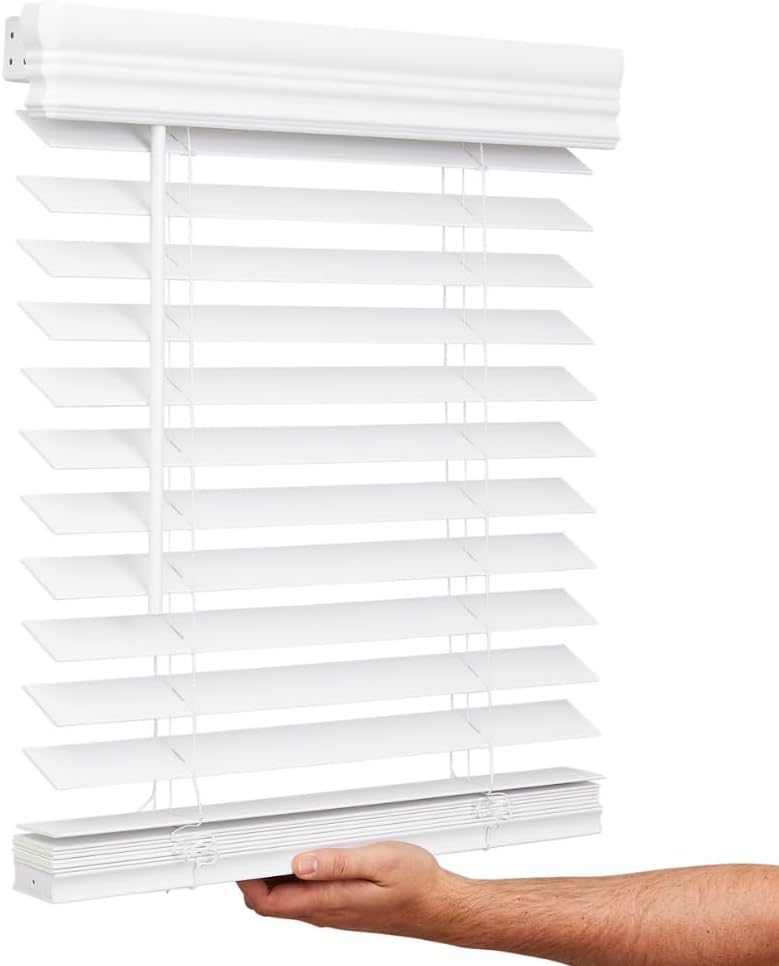 9Blinds - Bright White, Faux Wood, Cordless
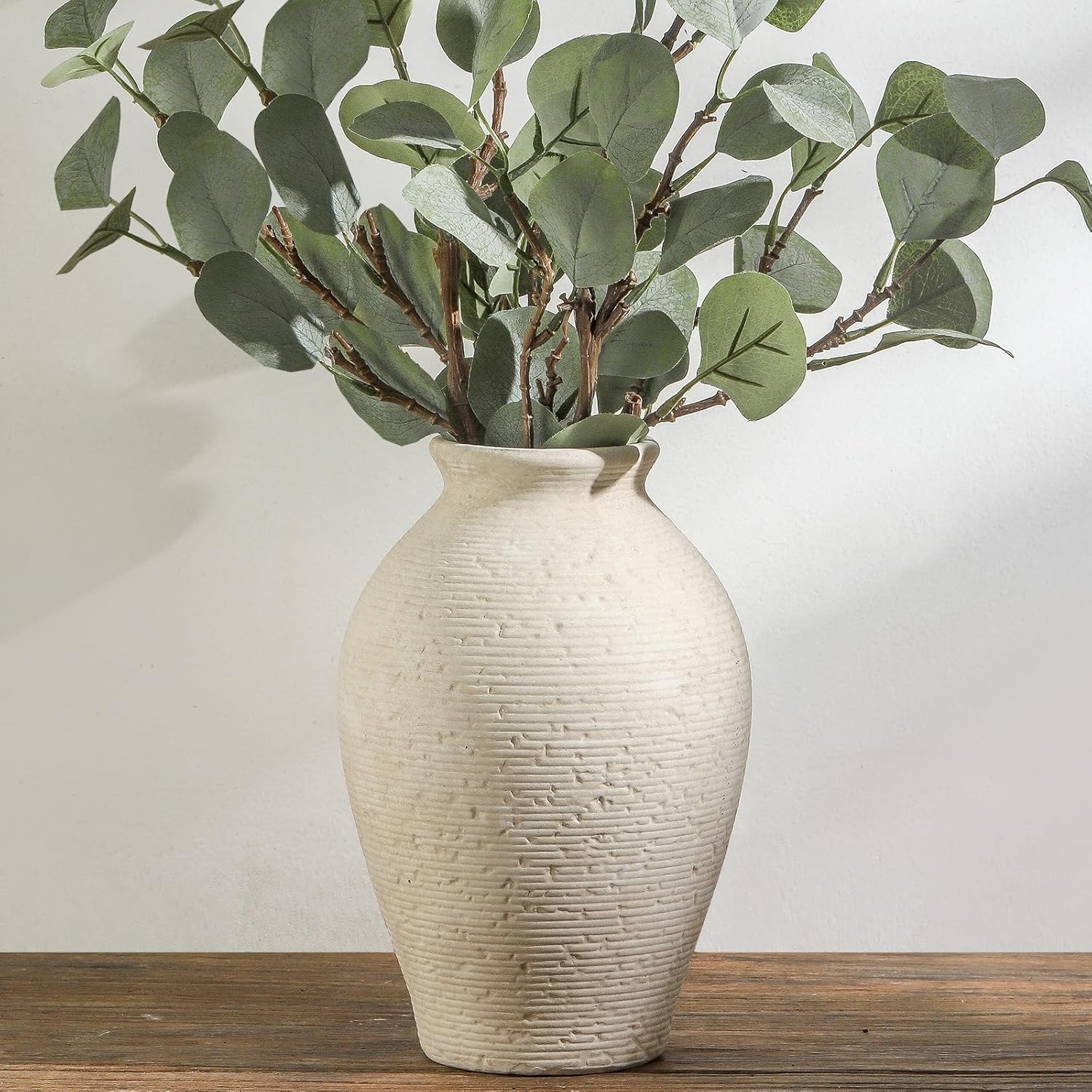 10Vase - Cream, Ceramic, Rustic, Textured
Design Notes
The Art of Transitional Kitchen Design on a Budget
Achieving a polished, high-end look in your culinary space does not require an unlimited budget, as this balanced kitchen demonstrates the power of smart, intentional furniture choices.
This kitchen perfectly captures the transitional style by blending traditional warmth with modern, clean-lined functionality. The space is anchored by a spacious island featuring beige swivel stools that offer both comfort and a sophisticated profile. A stunning crystal chandelier hangs above, acting as the room's primary focal point and adding a touch of elegance to the open-concept layout. The palette remains grounded in neutral tones, utilizing cream and walnut finishes to create a cohesive flow between the dining area and the cooking zone. By prioritizing versatile staples like low-pile runner rugs and classic ceramic accents, the design achieves a timeless, curated atmosphere that feels both approachable and incredibly refined for everyday living.
Balancing Textures and Tones
A successful transitional space relies on the careful layering of materials to prevent a room from feeling one-dimensional. Here, the contrast between the dark cabinetry and the light, airy dining set creates a visual depth that defines the kitchen's personality. Incorporating rustic elements like textured ceramic vases and faux succulents adds organic softness to the harder surfaces of the metal bar stools and sleek stainless appliances. By mixing these natural, earthy textures with polished glass and linen upholstery, the room maintains a sense of comfort. This intentional variety ensures that even the most functional areas of the home feel like a deliberate, stylish sanctuary for the entire family.
Smart Styling for Open Spaces
When working with an open-concept kitchen, defining zones is essential for maintaining a sense of order and flow. The use of a low-pile runner rug effectively separates the workspace from the adjacent living area, providing a soft foundation that is both practical and stain resistant. The addition of a library-style rolling ladder introduces a vertical element that draws the eye upward, maximizing the perceived height of the room. Meanwhile, the consistent use of beige and cream textiles ties the various seating areas together, creating a harmonious environment where every piece serves a purpose without cluttering the visual landscape of the home.
Achieving the Look Affordably
Creating a high-end look does not require luxury price points, but rather a keen eye for versatile, high-impact pieces. By selecting dining sets and stools that emphasize clean silhouettes and neutral upholstery, you can build a foundation that feels timeless rather than trendy. Focus your budget on statement items like the central chandelier, which sets the mood for the entire room. Complement these larger investments with affordable, decorative accents such as blue and white ceramic vases or mini succulents. These smaller details allow you to refresh your space seasonally while keeping the core elements of your transitional design consistent, functional, and deeply inviting.
Room Design FAQ
What defines the transitional style in this kitchen?
The transitional style is defined by the marriage of traditional comfort and modern simplicity. You see this through the blend of classic wood tones and rustic ceramic textures paired with contemporary furniture silhouettes, like the swivel stools and crisp, cordless white blinds.
How can I make a small kitchen feel more open?
To make a kitchen feel larger, focus on maintaining a light and neutral color palette. Utilizing low-pile rugs helps define zones without overwhelming the floor space, while choosing furniture with open bases, like the swivel stools, allows the eye to travel through the room.
How do I choose the right accent pieces?
Choose accent pieces that offer a contrast to your primary furniture. If your kitchen features a lot of solid, neutral surfaces, introduce patterned ceramics or varied textures like woven baskets and greenery. These items add depth and visual interest without changing your core layout.
Paid links: we may earn a commission when you buy through product links. Prices and availability are illustrative and may differ on the retailer site.