
Transitional Living Room
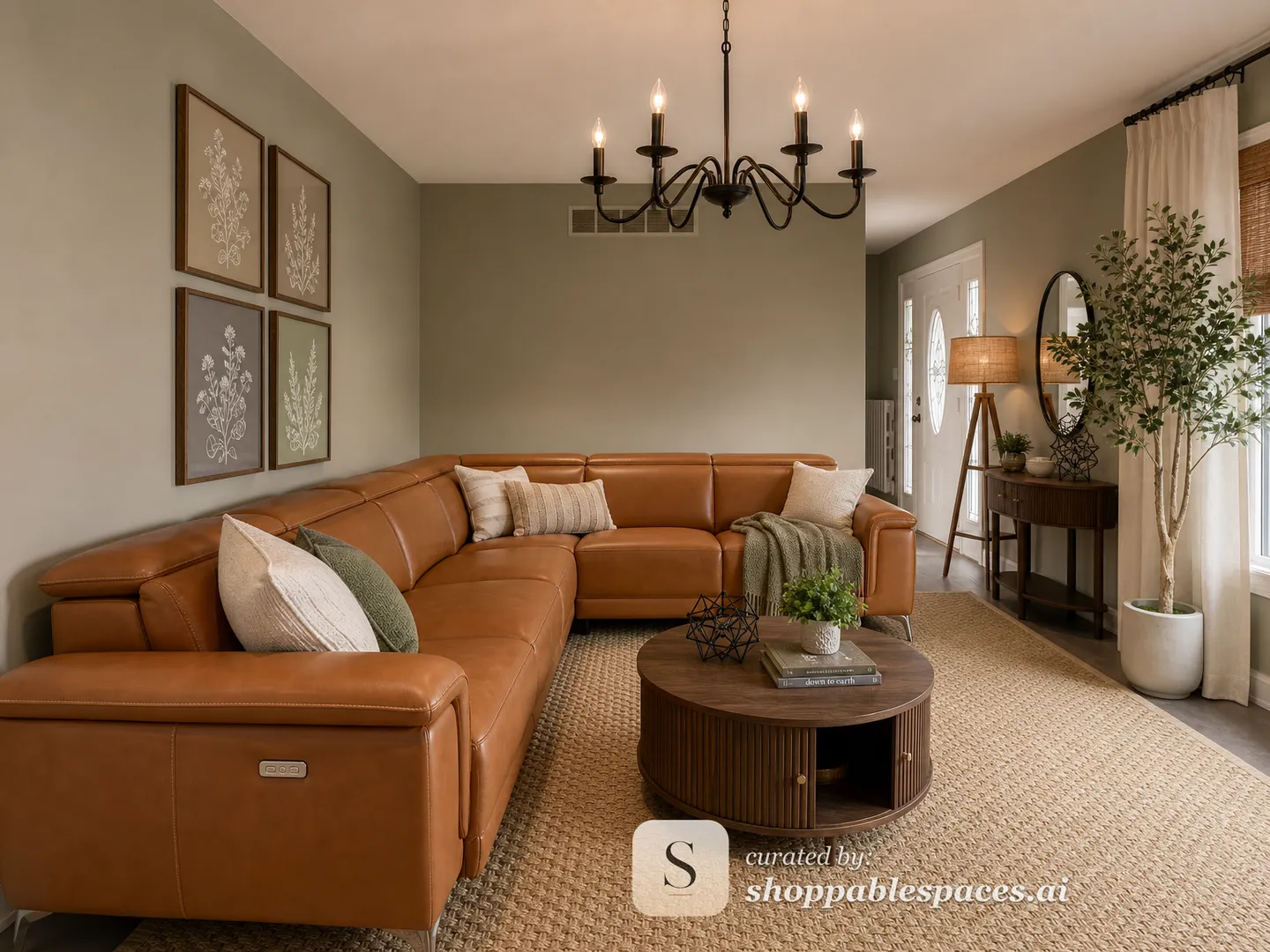
This thoughtfully arranged living room demonstrates how strategic furniture placement and warm, organic textures can create a cohesive, inviting space that balances modern functionality with timeless, sophisticated comfort.
Shop the look
Bring this balanced transitional aesthetic home by exploring the curated collection of furniture and decor pieces featured in this space. Use a rounded coffee table to soften the sharp corners of a large L-shaped sectional sofa.
Shop this living room
 1Coffee Table - Walnut, Wood, Mid-Century, Fluted Storage
 2Console Table - Walnut, Wood, Fluted, Half Moon
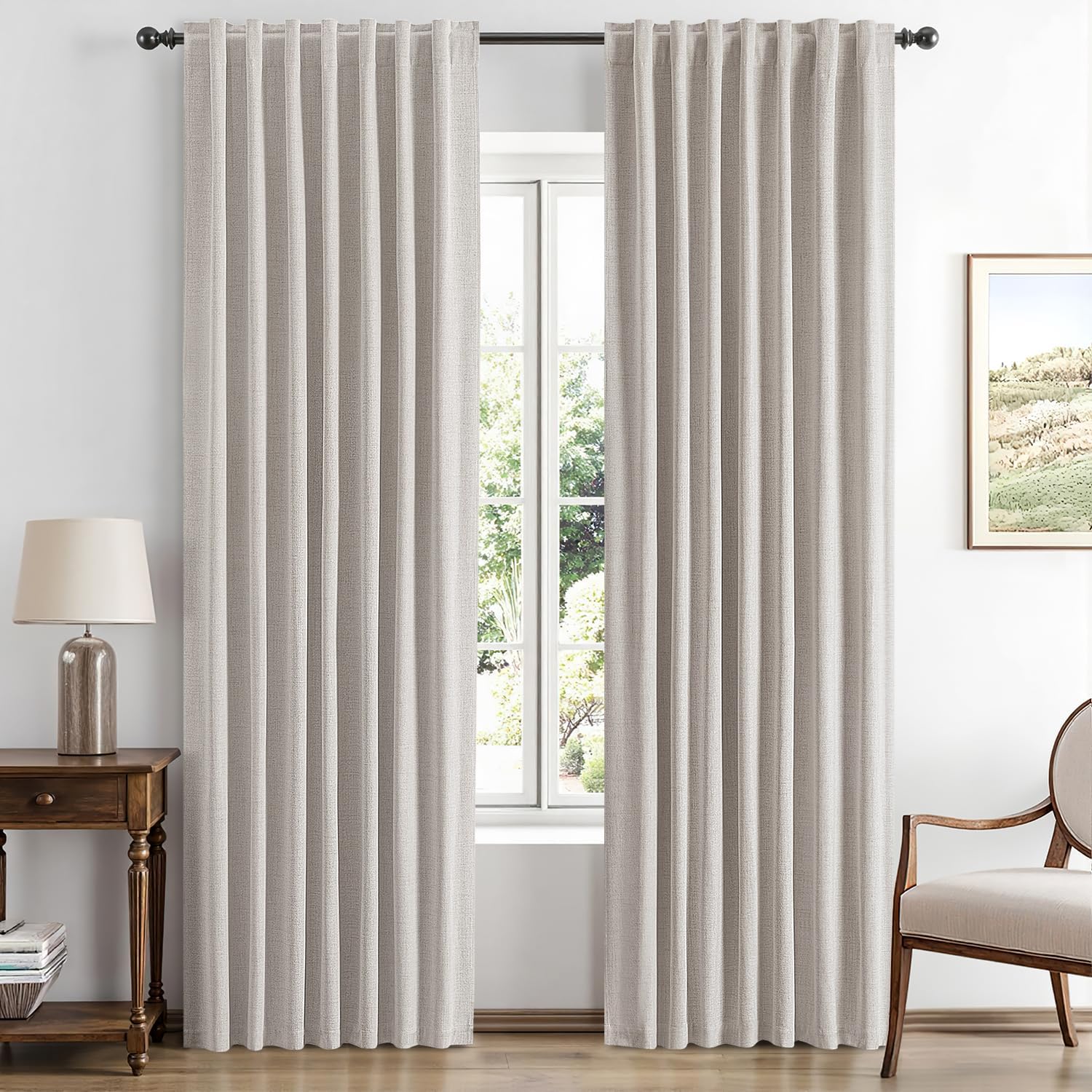 3Curtains - Ivory, Linen, Blackout
 4Table Decor - Black, Metal, Geometric Sculpture
 5Faux Olive Tree - Green, Potted, Tall Floor Decor
 6Floor Lamp - Brown, Wood & Rattan, Tripod, With Shelf
 7Area Rug - Beige, Seagrass, Basketweave
 8Sectional - Cognac, Leather, L-Shaped, Power Recliner
 9Wall Art - Neutral, Floral, Botanical Prints
 10Roman Shade - Brown, Bamboo, Motorized, Smart Home
 11Chandelier - Black, Metal, 6-Light, Farmhouse
Design Notes
The Art of Flow: A Transitional Living Room Layout
This thoughtfully arranged living room demonstrates how strategic furniture placement and warm, organic textures can create a cohesive, inviting space that balances modern functionality with timeless, sophisticated comfort.
In this transitional living room, the layout is masterfully designed to maximize both comfort and circulation. The centerpiece is a substantial cognac leather sectional, which anchors the corner and defines the primary seating area. By pairing this bold, L-shaped piece with a circular fluted walnut coffee table, the design softens the room's sharp angles and encourages natural movement around the furniture. A large, basketweave seagrass rug grounds the entire arrangement, while the vertical lines of the floor-to-ceiling ivory curtains and the tall faux olive tree draw the eye upward. This interplay of shape, scale, and warm wood tones creates a balanced environment that feels both expansive and intimate, perfect for daily relaxation.
Defining the Seating Core
The sectional acts as the primary anchor for the space, effectively zoning the living area without the need for physical partitions. Its rich cognac leather provides a deep, warm contrast against the neutral wall color, while the power reclining feature ensures that comfort is never sacrificed for style. By positioning the sectional against the wall, the room maintains an open, airy feel that prevents the furniture from overwhelming the floor plan. The addition of a circular coffee table is a deliberate choice, as its curved silhouette breaks up the linear geometry of the sectional, creating a more fluid and approachable path for traffic to flow through the center of the room.
Layering Textures and Tones
Texture is the secret to making a transitional space feel curated rather than static. Here, the mix of materials is intentional: the smooth leather of the sectional meets the rough, natural weave of the seagrass rug, while the fluted wood details on the coffee and console tables add a touch of architectural interest. Soft linen curtains and bamboo roman shades provide a layered window treatment that offers both privacy and light control. These natural elements are complemented by black metal accents found in the farmhouse chandelier and geometric table sculptures, which provide a sharp, modern edge that ties the diverse textures together into one cohesive design narrative.
Verticality and Sightlines
To keep the room feeling spacious, the design utilizes vertical elements to guide the eye. The botanical prints arranged in a grid on the wall create a focal point that draws attention upward, balancing the low profiles of the furniture. The tripod floor lamp with its integrated shelf serves a dual purpose, adding height to the corner while providing functional storage and ambient light. By placing the console table near the entryway, the design creates a natural landing zone that transitions guests into the main seating area. Each piece is placed to maintain clear sightlines, ensuring the room feels connected to the rest of the home while retaining its own distinct character.
Room Design FAQ
How do I choose the right rug for a sectional?
For an L-shaped sectional, aim for a rug large enough so that at least the front legs of the sofa sit comfortably on the material. A natural fiber rug like seagrass provides a durable, neutral foundation that complements leather furniture while adding a necessary layer of organic texture to the room.
Does mixing wood tones work in this room?
Yes, mixing wood tones adds depth and prevents the room from feeling like a showroom set. The key is to keep the undertones consistent. Here, the warm walnut finishes on the tables harmonize with the rich cognac leather, creating a unified look that feels intentional, grounded, and deeply comfortable for everyday living.
How can I make a large sectional feel less bulky?
To prevent a large sectional from dominating the room, pair it with pieces that offer visual lightness, such as a coffee table with open storage or a floor lamp with slender legs. Keeping the surrounding decor minimal and utilizing vertical space helps maintain a balanced, airy atmosphere throughout the living room.
Paid links: we may earn a commission when you buy through product links. Prices and availability are illustrative and may differ on the retailer site.